In 2022, the most recent year for which we have official reporting of abortion statistics for England, more than 11,000 women were admitted and treated at an NHS hospital for complications arising from a medical abortion;[i] this represents about 6% of those women using mifepristone and misoprostol at home, or misoprostol at home after taking the mifepristone at an abortion facility.[ii]
Even if you think that some of these women overreacted and had no real need to attend A&E, or if you think the attending medical teams were too quick to use a surgical intervention, surely if you are patient-centred and care about the quality of women’s sexual and reproductive healthcare then you would not want to add insult to injury by minimising these women’s concerns and negative experiences by not counting them and not reporting their cases. The abortion providers and the Department of Health and Social Care do exactly that, they blatantly report only 300 cases, choosing to ignore more than 97% of the women presenting with abortion complications.
The 11,000 noted above are from data published online by NHS England; I was recently discussing these numbers with an OB/GYN consultant and she told me that sometimes when she is treating a woman who has presented with abortion complications, she is inclined to think that this woman is overreacting and has no real need to worry about how much she is bleeding, in her professional experience the degree of bleeding was of no concern and just what one might expect when using the abortion pills; had she waited a few more days at home, her body might have completed the abortion process with a subsequent reduction in the volume of bleeding and levels of pain experienced.
That said, she then reflected that of course her medical experience and expectations are very different from those of the women self-managing their abortion at home. It is clear, she says, that many of these women had not been sufficiently well enough prepared for what was about to happen, perhaps they hadn’t been told enough at the time of consenting or perhaps given the understandable trauma of asking for an abortion, the women had not fully taken in all that the provider was telling them. So, sometimes a failing of counselling and the informed consent process, rather than a failure of the medication abortion treatment.
A study published at the end of 2024 by BPAS et al supports this view that something is amiss with the counselling process. Entitled ‘Expectations and experiences of pain during medical abortion at home’, their study found that 48% of women reported that their pain during an at-home abortion was more than they had expected; 30% scored their pain at 6-7, and 41% at 8-10.[iii] The lead author, Hannah McCulloch, comments: “The results of the survey show that counselling on this aspect of medical abortion needs to improve…. Women want more detailed, realistic information to make choices about treatment and to be prepared for medical abortion if that is their preference.” [iv]
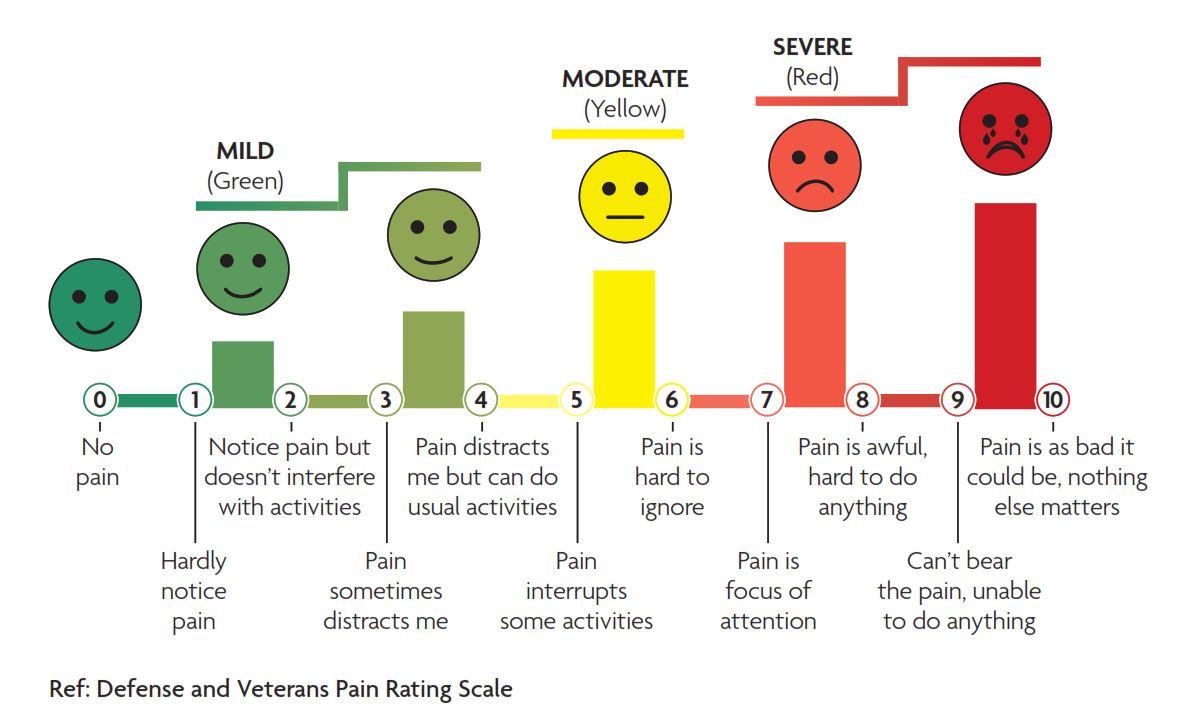
As we concluded, we agreed that this should be about the woman and her concerns and experience of the abortion procedure. These women had been worried enough to take the time to travel to their local A&E to discuss their concerns with the medical team there, admitting to having used the abortion pills, and the medical teams were following the right and proper protocols of admitting some women for surgical intervention; we should remember that many of these women had wanted to have their abortion in private, they had not involved their own GP and a large majority had not even attended the abortion facility in-person, so it may have required a significant shift in their thinking and emotions to make the decision to attend A&E. Their concerns are real and deserve to be acknowledged in official reporting: 11,000 not 300.
[i] Duffy, K. (2025, February 3). Government under-reports abortion complications by a factor of 38x. Percuity. https://percuity.blog/2025/01/14/government-under-reports-abortion-complications-by-a-factor-of-38x/
[ii] Duffy, K. (2024, July 15). Complications from Medical Abortion are still being under-reported by the UK Government. Percuity. https://percuity.blog/2024/07/15/complications-from-medical-abortion-are-still-being-under-reported-by-the-uk-government/
[iii] McCulloch, H., Perro, D., Taghinejadi, N., Whitehouse, K. C., & Lohr, P. A. (2024). Expectations and experiences of pain during medical abortion at home: a secondary, mixed-methods analysis of a patient survey in England and Wales. BMJ Sexual & Reproductive Health, bmjsrh-202533. https://doi.org/10.1136/bmjsrh-2024-202533
[iv] BMJ. (2024, December 23). Women often told that severity of medical abortion pain no worse than period cramps – BMJ Group. BMJ Group – Helping doctors make better decisions. https://bmjgroup.com/women-often-told-that-severity-of-medical-abortion-pain-no-worse-than-period-cramps/
Discover more from Percuity
Subscribe to get the latest posts sent to your email.
